


 By
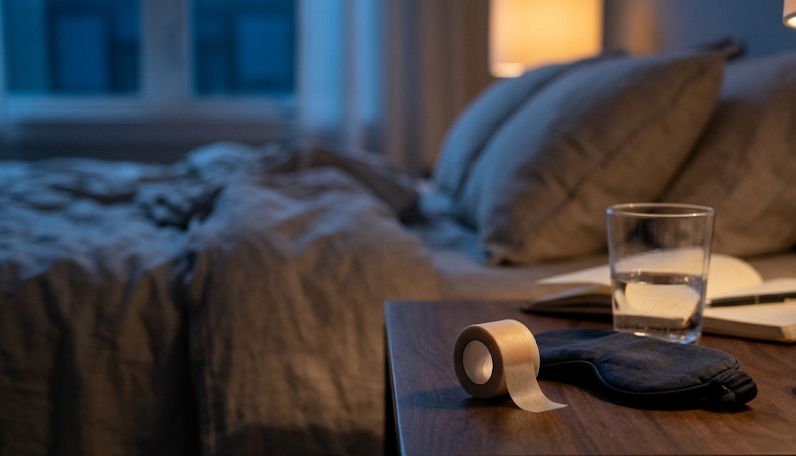
Millions of people are waking up with a small piece of adhesive over their lips, claiming it transforms their rest, energy levels, and even their dental health. Driven largely by viral social media wellness spaces, mouth taping has moved from a niche biohacking practice to a mainstream nightly routine in 2026.
The premise is straightforward: by physically holding the lips closed during sleep, the body is forced to breathe through the nose. While enthusiasts are quick to champion various mouth tape benefits—ranging from eliminated snoring to deeper sleep cycles—medical professionals approach the trend with cautious optimism and several strict warnings.
Before adding adhesive to your nightstand, it is essential to understand how nasal breathing affects the body, what the verified benefits actually are, and when this practice crosses the line from helpful to hazardous.
Table of Contents
The Physiology of Nasal Breathing
To understand why people are taping their mouths shut, you have to look at the respiratory system. The human body is designed to default to nasal breathing.
When air passes through the nose, it is filtered by tiny hairs and mucus, trapping dust, allergens, and bacteria. The nasal passages also warm and humidify the air before it reaches the lungs, preventing irritation. Crucially, nasal breathing naturally produces nitric oxide, a vasodilator that helps widen blood vessels and improve oxygen circulation throughout the body.
Mouth breathing bypasses these physiological advantages. Chronic mouth breathing during sleep is frequently linked to dry mouth, bad breath, an increased risk of cavities, and fragmented sleep cycles caused by mild oxygen deprivation or snoring.
Evaluating Mouth Tape Benefits
The core goal of mouth taping is simply to break the habit of nocturnal mouth breathing. For healthy individuals who occasionally breathe through their mouths out of habit rather than anatomical necessity, the practice can yield noticeable results.
- Reduction in Snoring: Mouth breathing changes the shape of the airway and causes the soft palate to vibrate more easily. By forcing the jaw and tongue into a closed, forward position, mouth taping can minimize or eliminate mild snoring.
- Improved Oral Health: Saliva is the mouth’s natural defense against bacteria. Mouth breathing dries out saliva, creating an acidic environment where plaque thrives. Keeping the mouth closed preserves this moisture, protecting against tooth decay and morning halitosis.
- Better Sleep Architecture: Because nasal breathing optimizes oxygen delivery via nitric oxide, many users report waking up feeling more refreshed and experiencing fewer mid-night awakenings.
Is Mouth Taping Safe? The Medical Consensus
Despite the potential advantages, mouth taping is not universally safe and should not be treated as a cure-all for clinical sleep disorders.
The primary danger arises when individuals use tape to mask the symptoms of a serious underlying condition, such as Obstructive Sleep Apnea (OSA). OSA causes the airway to physically collapse during sleep. If a person with severe, undiagnosed sleep apnea tapes their mouth shut, they risk dangerously low oxygen drops because their body cannot bypass the blocked nasal airway to gasp for air.
Additionally, mouth taping is actively discouraged for individuals experiencing:
- Nasal Congestion: Anyone with a temporary cold, sinus infection, or chronic allergies must avoid taping. If you cannot breathe easily through your nose while awake, you cannot do it while asleep.
- Structural Blockages: Conditions like a deviated septum or nasal polyps require medical intervention, not tape.
- Asthma and Respiratory Illnesses: Those with compromised lung function should not restrict their emergency airway.
How to Try Mouth Taping (If Medically Cleared)
If a physician has ruled out sleep apnea and structural blockages, attempting this trend requires the right approach and the right materials.
Never use household adhesives like duct tape, masking tape, or standard packing tape. These contain harsh chemicals and strong adhesives that will damage facial skin or cause allergic reactions. Instead, use porous, hypoallergenic medical tape (like surgical micropore tape) or specialized sleep strips designed specifically for this purpose.
Many specialized strips feature a small vent hole in the center to allow a slight airflow if needed. It is also highly recommended to test the tape during the day for 15 to 30 minutes while reading or working to ensure it does not trigger anxiety or claustrophobia.
The Bottom Line
Mouth taping is a mechanical solution to a physiological habit. For the right person, the mouth tape benefits are real and rooted in the established science of nasal respiration. However, it is a tool for sleep hygiene optimization, not a medical treatment for airway disorders. Anyone struggling with chronic exhaustion, heavy snoring, or disrupted sleep should prioritize a consultation with a sleep specialist before reaching for the tape.