


 By
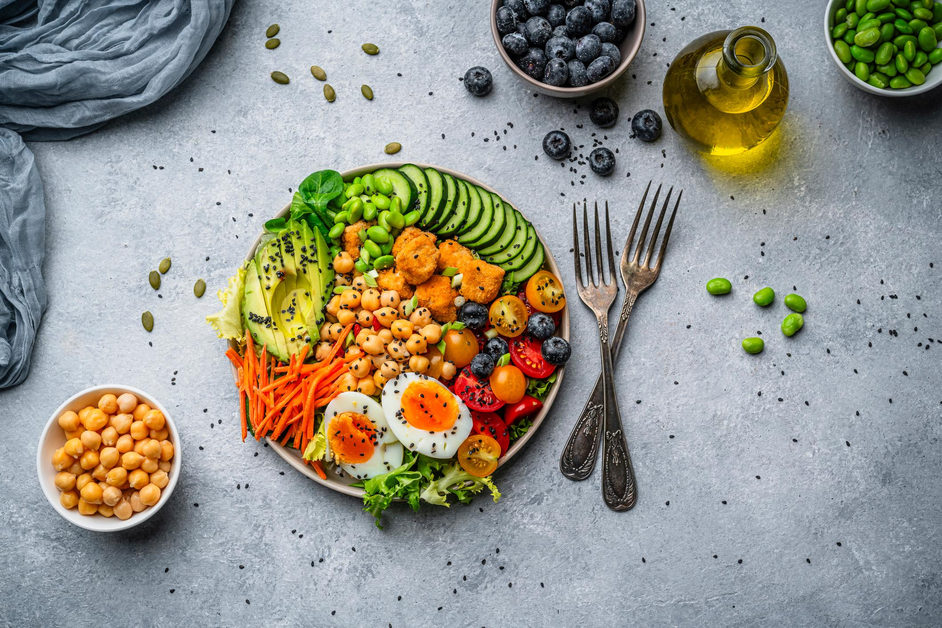
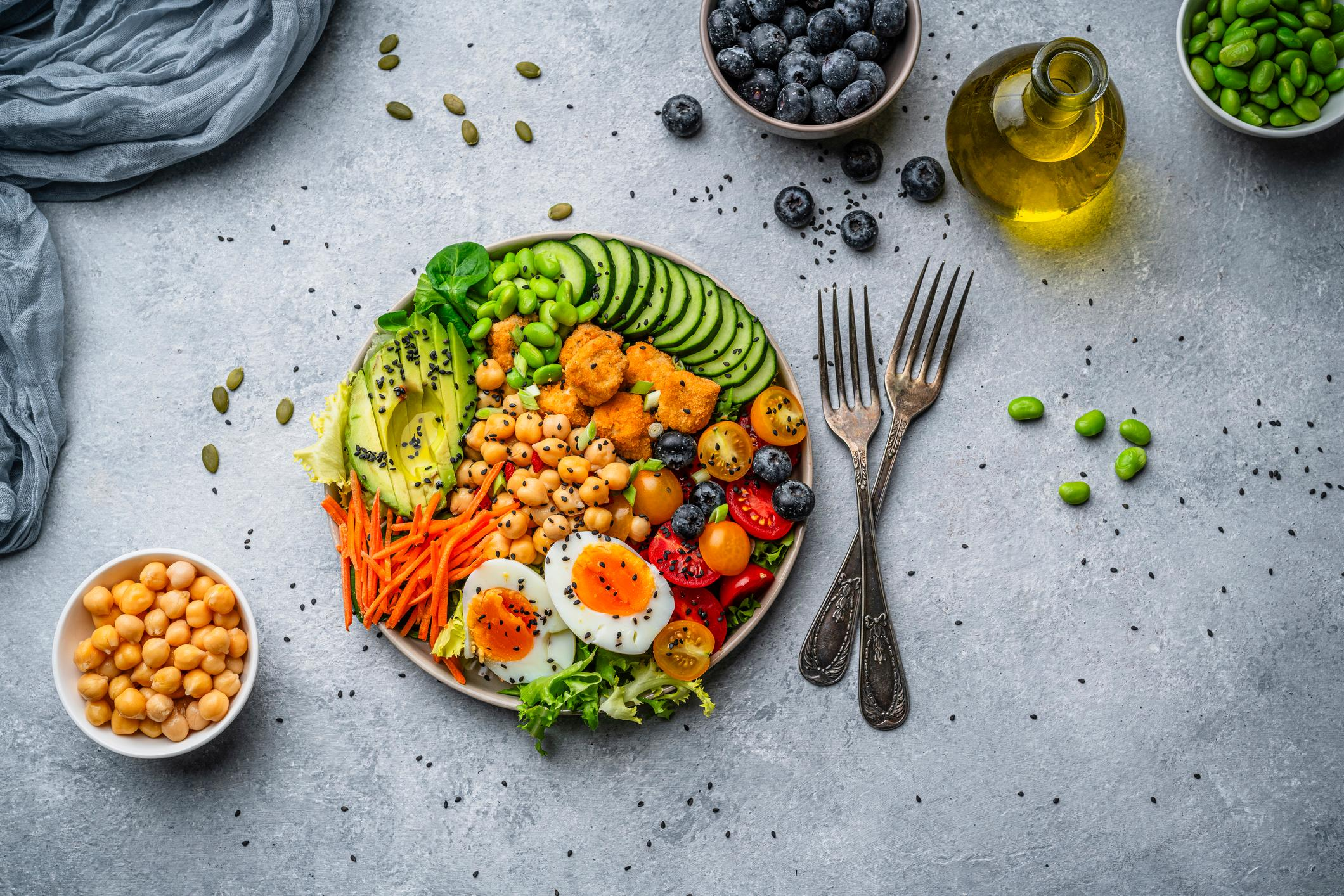
Salad can be an excellent source of dietary fiber, but its nutritional value depends on what goes into the bowl. A simple salad made with iceberg lettuce, cucumber and a few tomato slices provides some fiber, but adding beans, broccoli, carrots, seeds and other plant-based ingredients can make it considerably more fiber-rich.
Fiber plays an important role in digestive health. It helps maintain bowel regularity, supports gut bacteria and can contribute to better blood sugar and cholesterol management. Yet not every salad provides enough of this important nutrient.
If you want to increase your daily fiber intake, choosing the right ingredients is more useful than simply eating a larger portion of lettuce. Here is what makes a salad high in fiber, which ingredients provide the most and how to build a balanced bowl without making your meal unnecessarily complicated.
Is Salad High in Fiber?
Yes, salad can be high in fiber, particularly when it contains a variety of vegetables, legumes, fruits, nuts and seeds. However, the amount of fiber varies considerably depending on the ingredients and serving sizes.
Leafy greens such as spinach, kale and romaine lettuce provide fiber along with vitamins and minerals. Vegetables such as carrots, broccoli and green peas add more. Ingredients such as chickpeas, black beans and lentils can increase the fiber content even further.
For example, half a cup of cooked kidney beans provides approximately 6.5 grams of fiber, according to the World Gastroenterology Organisation. A salad containing beans, vegetables and seeds can therefore provide considerably more fiber than one made primarily with lettuce and cucumber.
The dressing also matters, although most conventional salad dressings contribute little dietary fiber. Creamy dressings may add calories, fat and sodium without significantly increasing the fiber content.
The simplest way to make a salad more nutritious is to combine different plant foods rather than relying on one vegetable.
How Much Fiber Do You Need Every Day?
Dietary fiber is a type of carbohydrate that the human body cannot fully digest. Instead of being broken down like many other carbohydrates, it moves through the digestive system and performs several useful functions.
According to the US National Institute of Diabetes and Digestive and Kidney Diseases (NIDDK), adults generally need between 22 and 34 grams of fiber per day, depending on age and sex.
The exact recommendation varies between dietary guidelines and individual requirements. Your total daily intake should include fiber from vegetables, fruits, whole grains, legumes, nuts and seeds rather than relying on salads alone.
There are two widely recognised categories of dietary fiber:
Soluble fiber: This type dissolves in water and forms a gel-like substance during digestion. It can help regulate blood glucose and reduce the absorption of cholesterol. Beans, oats, apples and chia seeds are useful sources.
Insoluble fiber: This type does not dissolve in water. It adds bulk to stool and helps food move through the digestive tract. Whole grains, leafy vegetables, nuts and fruit skins provide insoluble fiber.
Most plant foods contain a mixture of both types, although their proportions differ.
10 Best High-Fiber Ingredients to Add to Your Salad
If your usual salad contains only lettuce, cucumber and tomatoes, adding a few carefully selected ingredients can improve its fiber content, texture and overall nutritional value.
Here are ten practical options.
1. Chickpeas
Chickpeas are among the most useful additions to a high-fiber salad. They provide dietary fiber, plant-based protein and several important minerals.
Their slightly nutty flavour works well with cucumber, tomatoes, onions, spinach and lemon-based dressings.
You can use cooked chickpeas or rinse canned chickpeas before adding them to your bowl. They are also suitable for Mediterranean-style salads and meal-preparation recipes.
Why add them? Chickpeas provide both fiber and protein, helping make a vegetable salad more substantial.
2. Black Beans
Black beans are another excellent source of dietary fiber. They also provide plant-based protein, making them a useful ingredient for people who prefer vegetarian meals.
They work particularly well with corn, tomatoes, bell peppers, red onions and avocado.
A black bean salad can be a filling lunch without requiring meat or heavily processed toppings.
Why add them? Beans contribute substantial fiber and help turn a light side salad into a more complete meal.
3. Broccoli
Broccoli adds a noticeable amount of fiber while providing vitamin C, vitamin K and other beneficial plant compounds.
You can use finely chopped raw broccoli or lightly steamed florets. Steaming can make broccoli easier to chew while preserving much of its nutritional value.
Combine it with carrots, spinach, chickpeas or sunflower seeds for a varied salad.
Why add it? Broccoli increases the vegetable content and provides fiber alongside several essential nutrients.
4. Carrots
Carrots are an easy way to add fiber, colour and natural sweetness to a salad.
You can grate them, slice them into thin strips or cut them into small pieces. Their mild flavour pairs well with leafy greens, cabbage, cucumber and chickpeas.
Carrots also contain beta-carotene, which the body can convert into vitamin A.
Why add them? Carrots are affordable, widely available and easy to include in everyday salads.
5. Spinach and Kale
Dark leafy greens are useful foundations for a nutritious salad.
Spinach provides fiber along with folate, vitamin K and other nutrients. Kale also contributes fiber and contains vitamins A, C and K.
Both can replace some or all of the iceberg lettuce in a salad. Kale has a firmer texture, while spinach is softer and works particularly well with fruit, nuts and seeds.
Why add them? These greens provide a wider range of nutrients than relying exclusively on lighter lettuce varieties.
6. Avocado
Avocado contributes dietary fiber as well as unsaturated fats.
Its creamy texture makes it a useful alternative to some heavier salad toppings. It also pairs well with tomatoes, cucumber, leafy greens, black beans and citrus-based dressings.
Because avocado is energy-dense, portion size is worth considering if you are monitoring your overall calorie intake.
Why add it? Avocado provides fiber and unsaturated fat, making it a useful ingredient in a balanced salad.
7. Chia Seeds
Chia seeds are small but contain a considerable amount of dietary fiber relative to their serving size.
They absorb liquid and develop a gel-like texture. You can sprinkle them over spinach salads, fruit salads or vegetable bowls.
They also contain plant-based omega-3 fatty acids and minerals.
Start with a small amount and increase it gradually if you are not accustomed to eating high-fiber foods.
Why add them? Chia seeds provide a convenient way to increase fiber without substantially changing the flavour of your salad.
8. Almonds and Sunflower Seeds
Nuts and seeds can improve both the nutritional value and texture of a salad.
Almonds provide fiber, unsaturated fats, protein and vitamin E. Sunflower seeds contribute fiber, healthy fats and minerals.
Use unsalted varieties where possible, and pay attention to portion sizes because nuts and seeds are relatively calorie-dense.
They pair particularly well with spinach, carrots, cabbage and fruit-based salads.
Why add them? They provide fiber alongside healthy fats and create a satisfying crunch.
9. Green Peas
Green peas are a practical source of fiber and plant-based protein.
They can be added to cold vegetable salads, mixed bean salads and grain-based bowls. Frozen peas are particularly convenient because they can be cooked quickly and cooled before serving.
Combine them with carrots, cucumber, lettuce and fresh herbs for a simple everyday salad.
Why add them? Peas provide more substance than many watery salad vegetables while adding natural sweetness.
10. Raspberries and Pears
Fruit can also increase the fiber content of a salad.
Raspberries are particularly fiber-rich. The World Gastroenterology Organisation lists approximately 8 grams of fiber in one cup.
Pears are another useful option, especially when eaten with their skin. Their natural sweetness works well with spinach, walnuts, almonds and a light vinaigrette.
Fruit does not need to be limited to dessert. Adding a small portion to a vegetable salad can create a more varied combination of flavours and nutrients.
Why add them? Berries and whole fruits contribute fiber, natural sweetness and additional plant nutrients.
Which Salad Ingredients Have the Most Fiber?
Not all salad ingredients contribute the same amount of fiber. Legumes, berries and seeds can provide more fiber per serving than many leafy vegetables.
The following examples show why ingredient selection matters.
| Ingredient | Example serving | Approximate fiber |
|---|---|---|
| Kidney beans, cooked | ½ cup | 6.5 g |
| Raspberries | 1 cup | 8 g |
| Broccoli, cooked | 1 cup | 5.5 g |
Values are examples reported by the World Gastroenterology Organisation. Actual amounts vary with variety, preparation and serving size.
The key takeaway is that adding legumes and fiber-rich fruit can make a greater difference than simply increasing the amount of lettuce.
For more accurate comparisons, check food labels or a recognised food composition database using the actual portion you plan to eat.
How to Make a High-Fiber Salad at Home
You do not need expensive ingredients or complicated recipes to prepare a fiber-rich salad.
A balanced approach is to combine leafy greens, vegetables, legumes, a small portion of seeds or nuts and a suitable dressing.
A Simple High-Fiber Chickpea Salad
Ingredients:
- 1 cup fresh spinach
- ½ cup cooked chickpeas
- ½ cup chopped cucumber
- ½ cup chopped tomatoes
- ½ grated carrot
- ¼ avocado
- 1 tablespoon chia seeds
- Fresh lemon juice
- A small amount of olive oil
- Black pepper to taste
Preparation:
- Wash the spinach, cucumber, tomatoes and carrot thoroughly.
- Place the spinach in a large bowl.
- Add the cooked chickpeas, cucumber, tomatoes and grated carrot.
- Slice the avocado and arrange it over the vegetables.
- Sprinkle chia seeds on top.
- Add lemon juice, olive oil and black pepper.
- Mix gently and serve fresh.
This combination provides fiber from several sources, including chickpeas, vegetables, avocado and chia seeds. It also contains plant-based protein and unsaturated fats.
The precise fiber content depends on the quantities used and the size of the ingredients.
Does Eating Salad Every Day Help Increase Fiber Intake?
Eating salad regularly can help increase your fiber intake, provided you include a variety of fiber-containing ingredients.
A simple lettuce-based salad every day may contribute some fiber, but it will not necessarily meet your daily requirements.
For better nutritional variety, rotate ingredients throughout the week. One day you could prepare a chickpea and spinach salad, while another day you might use black beans, corn, avocado and tomatoes.
You can also include whole grains such as quinoa, barley or bulgur. These ingredients add fiber and make salads more substantial.
However, a healthy diet should not depend on salads alone. Whole fruits, vegetables, oats, whole-grain bread, beans and lentils all contribute to daily fiber intake.
What Are the Health Benefits of Eating High-Fiber Salads?
A fiber-rich salad can support several aspects of health when it forms part of a balanced eating pattern.
Supports Digestive Health
Fiber helps maintain normal bowel function. Insoluble fiber adds bulk to stool, while soluble fiber can help soften it.
Eating sufficient fiber and drinking enough fluids can help support regular bowel movements and reduce the likelihood of constipation.
Supports Gut Bacteria
Certain types of dietary fiber are fermented by beneficial microorganisms in the large intestine.
These fibers act as prebiotics, providing nourishment for parts of the gut microbiome.
Beans, lentils, vegetables, fruits and seeds can contribute to a more varied intake of fermentable plant fibers.
Helps Manage Blood Sugar
Soluble fiber can slow digestion and the absorption of certain nutrients, helping moderate the rise in blood glucose after meals.
Including fiber-rich vegetables, beans and other minimally processed plant foods can therefore be part of an eating pattern that supports blood sugar management.
However, individual responses vary, and salad alone cannot treat or prevent diabetes.
Supports Heart Health
Soluble fiber may help lower LDL cholesterol by reducing cholesterol absorption in the digestive system.
A diet containing beans, vegetables, fruits, nuts and whole grains can support heart health when combined with other healthy lifestyle habits.
Helps You Feel Fuller
Fiber-rich foods generally take longer to eat and can increase feelings of fullness.
Adding chickpeas, beans, seeds and vegetables to a salad can make it more satisfying than eating a small portion of lettuce alone.
This may help with appetite management, although overall energy intake and eating habits also matter.
Common Mistakes That Can Reduce the Nutritional Value of a Salad
A salad is not automatically a high-fiber or low-calorie meal. Some common choices can make it less balanced.
Using only iceberg lettuce: Iceberg lettuce contains fiber, but a salad based mainly on it may provide relatively little. Include darker greens, legumes and other vegetables for variety.
Adding too much creamy dressing: Some commercial dressings contain substantial amounts of fat, sodium or added sugar. They usually contribute little fiber.
Ignoring portion sizes: A small sprinkle of seeds or a few beans will not provide the same amount of fiber as a substantial serving.
Removing fruit skins unnecessarily: The edible skin of fruits such as pears and apples contributes fiber. Wash the fruit thoroughly before using it.
Adding too much fiber too quickly: A sudden increase in beans, seeds and raw vegetables can cause gas, bloating or abdominal discomfort. Increase fiber gradually.
Not drinking enough fluids: Fiber works best when accompanied by adequate fluid intake. People increasing their fiber consumption should also pay attention to hydration.
Frequently Asked Questions
Is lettuce high in fiber?
Lettuce contains dietary fiber, but its fiber content is relatively modest compared with beans, lentils, seeds and many other vegetables. Darker greens such as kale and romaine can provide useful nutrients and contribute to your overall intake.
Which salad has the highest fiber?
There is no single highest-fiber salad because the total depends on the ingredients and serving sizes. A salad containing chickpeas or black beans, broccoli, spinach, carrots, chia seeds and berries can provide considerably more fiber than a basic lettuce and cucumber salad.
Are cucumbers high in fiber?
Cucumbers contain some fiber, particularly when eaten with their skin, but they are not among the most concentrated sources. Pair them with chickpeas, beans, carrots or seeds to increase the fiber content of your salad.
Is eating salad good for constipation?
Fiber-rich salads containing vegetables, beans and other plant foods may help support bowel regularity. Drinking sufficient fluids is also important. People with persistent constipation should consult a healthcare professional rather than relying on salad alone.
Are raw or cooked vegetables better for fiber?
Both raw and cooked vegetables can contribute dietary fiber. Cooking may change the texture and volume of vegetables, but it does not automatically remove their fiber. Choose the preparation method that makes it easiest for you to eat a variety of vegetables.
Can I eat a high-fiber salad every day?
Most people can include a high-fiber salad in their daily eating routine. However, variety matters. Rotate vegetables, legumes, fruits, nuts and seeds rather than relying on the same ingredients every day.
People with certain digestive conditions or specific dietary restrictions may need individual advice from a healthcare professional.
Conclusion
So, is salad high in fiber? It can be, but the ingredients determine how much fiber you actually get.
Leafy greens provide a useful foundation, while chickpeas, black beans, broccoli, carrots, chia seeds, almonds and berries can increase the total considerably.
The most practical approach is to combine different plant foods, use suitable portion sizes and increase fiber gradually. Remember that salads are only one part of a fiber-rich diet. Whole grains, fruits, beans and other vegetables also contribute to your daily needs.
A well-planned salad can be more than a light side dish. It can become a nutritious, satisfying meal that helps you work towards your daily fiber requirements.