


 By
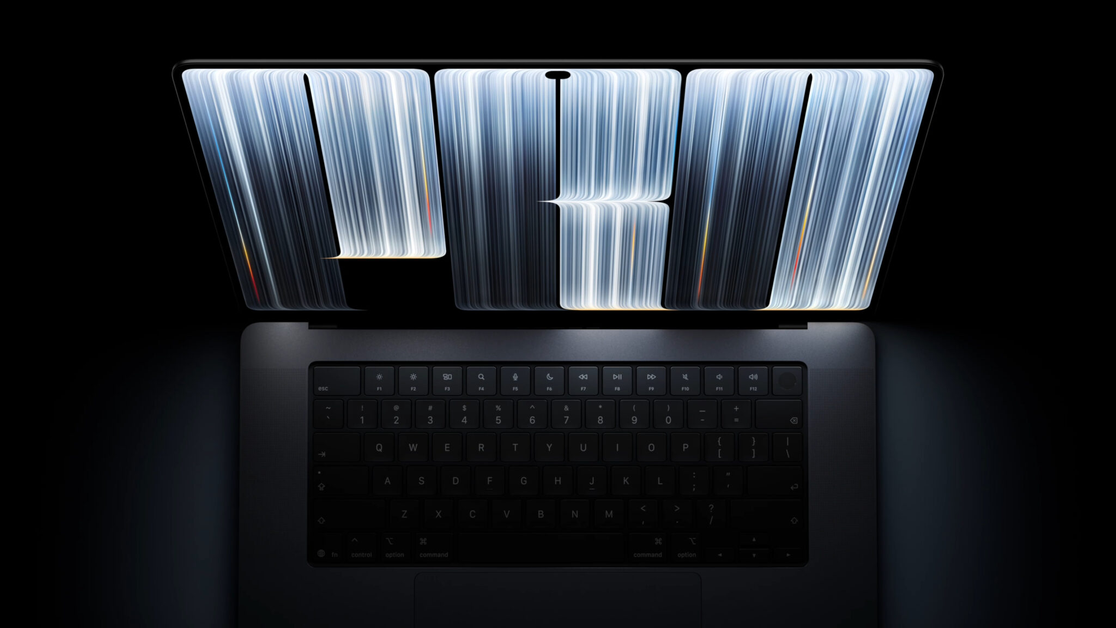
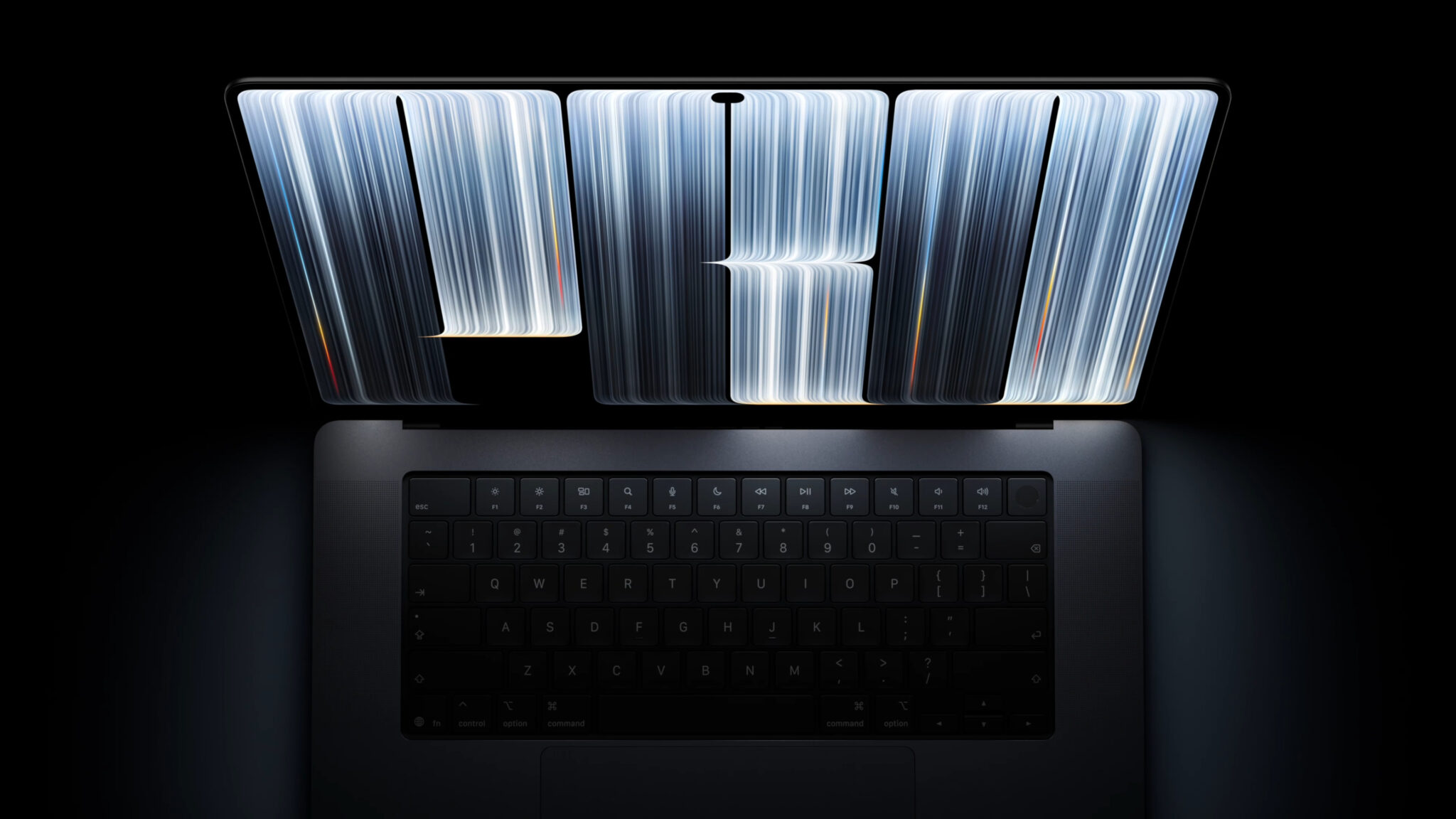
Apple has officially introduced its first touchscreen MacBook Pro, ending a long-standing resistance to touch-enabled Mac computers. Announced on October 28, 2026, the redesigned laptop combines a tandem OLED display, Apple’s new PROLED XDR technology, M5 Pro and M5 Max processors, and touchscreen controls for the first time on a Mac.
The touchscreen MacBook release date is November 6, 2026, in the United States and several other markets, while customers in India can expect availability from November 9. Pre-orders opened on October 28.
The launch is significant because Apple has traditionally maintained that laptops work best with a keyboard and trackpad rather than direct screen interaction. The new MacBook Pro changes that approach without abandoning the familiar laptop design. Instead, it introduces touch as an additional way to navigate macOS, work with creative applications and interact with content.
Here is what buyers need to know about its release, pricing, specifications and new features.
When Is the Touchscreen MacBook Release Date?
Apple announced its first touchscreen MacBook Pro on October 28, 2026, under the name MacBook Pro with PROLED XDR Display.
The company confirmed that pre-orders began on the announcement date, with the first deliveries and retail availability scheduled for November 6 in the United States and selected international markets.
For Indian customers, Apple’s official announcement lists November 9, 2026, as the availability date.
The launch schedule is as follows:
| Important date | Details |
|---|---|
| October 28, 2026 | Official announcement |
| October 28, 2026 | Pre-orders opened |
| November 6, 2026 | Initial international availability |
| November 9, 2026 | Availability in India |
The touchscreen models are available in 14-inch and 16-inch configurations. Both are positioned at the premium end of Apple’s MacBook Pro range.
How Much Does Apple’s First Touchscreen MacBook Cost?
The new MacBook Pro carries a substantial price increase compared with Apple’s existing non-touchscreen configurations.
In the United States, the 14-inch model with M5 Pro starts at $2,899, while the 16-inch version starts at $3,399. Customers choosing the more powerful M5 Max configuration will pay considerably more.
In India, the starting prices are even higher.
| Model | Official starting price in India |
|---|---|
| 14-inch M5 Pro | ₹3,49,900 |
| 16-inch M5 Pro | ₹4,09,900 |
| 14-inch M5 Max | ₹5,49,900 |
| 16-inch M5 Max | ₹5,89,900 |
Eligible students and educators can access separate education pricing. Higher memory, storage and display configurations can increase the final purchase price.
The pricing makes clear that Apple is targeting professional users rather than the mainstream laptop market. Video editors, photographers, developers, designers and other users working with demanding applications are among the intended customers.
What Makes the New MacBook Pro Different?
1. PROLED XDR Tandem OLED Touchscreen
The most important change is the display.
Apple has introduced its PROLED XDR display, based on tandem OLED technology. Unlike conventional LCD panels, OLED pixels produce their own light, allowing the display to deliver deep blacks and strong contrast.
Apple lists several headline specifications:
- Up to 2,000 nits peak HDR and SDR brightness.
- 10,000,000:1 contrast ratio.
- Adaptive refresh rates from 10Hz to 120Hz.
- Support for P3 and Adobe RGB colour spaces.
- Optional nano-texture glass to reduce reflections.
The addition of Adobe RGB support is particularly relevant to photographers and graphic designers who need accurate colour reproduction.
Apple has also integrated the touch sensor directly into the display panel rather than adding a separate touch layer on top. The company says this approach helps reduce input latency.
2. Touch Controls Come to macOS
The touchscreen does not turn the MacBook Pro into a conventional tablet.
Instead, users can interact directly with the display while retaining the traditional keyboard, trackpad and macOS desktop experience.
Supported actions include scrolling through webpages, pinching to zoom, dragging presentation elements, rotating content and manipulating on-screen objects.
For creative professionals, this could offer practical advantages. A graphic designer can interact directly with artwork, while musicians can play software instruments using the display.
Apple has also redesigned the hinge to provide additional stability during touchscreen interactions.
Importantly, touch is designed to complement the existing controls rather than replace them.
3. Dynamic Island Arrives on Mac
Another notable change is the introduction of Dynamic Island on the MacBook Pro.
Previously associated with Apple’s iPhone lineup, Dynamic Island now provides a central location for Spotlight, Live Activities and Siri AI.
Users can interact with notifications, control music, respond to certain activities and access information without navigating through multiple windows.
It also replaces the traditional camera notch with a different screen cutout design.
This is more than a visual adjustment because Apple is integrating the feature into the wider macOS experience.
4. M5 Pro and M5 Max Processors
Apple has equipped the touchscreen MacBook Pro with its M5 Pro and M5 Max chips.
These processors are designed for demanding workloads, including software development, video production, scientific computing, 3D rendering and artificial intelligence applications.
The M5 Pro configuration is intended for professionals who need substantial processing and graphics performance. M5 Max targets users with more intensive requirements, particularly those working with complex visual effects, animation and large AI models.
The new models support up to 128GB of unified memory and configurable storage of up to 16TB.
One detail worth noting is that Apple has not introduced an M6 processor in these touchscreen configurations, despite the arrival of M6-powered Macs elsewhere in its product range.
5. Thinner Design and Up to 24 Hours of Battery Life
Apple has also reduced the weight and thickness of the new machines.
The 14-inch model weighs approximately 3 pounds (1.38kg), while the 16-inch version weighs approximately 4 pounds (1.82kg).
The display sizes are 14.2 inches and 16.3 inches, respectively.
Apple claims up to 24 hours of battery life, although actual results will depend on applications, brightness, workload and usage patterns.
Other hardware features include:
- Three Thunderbolt 5 ports.
- HDMI connectivity.
- MagSafe charging.
- SDXC card reader.
- Headphone jack.
- Wi-Fi 7 and Bluetooth 6.
- 12MP Center Stage camera.
- Six-speaker audio system.
These features maintain the MacBook Pro’s focus on professional productivity while adding touchscreen functionality.
Which Apps Support the New MacBook Touchscreen?
Hardware support alone does not guarantee a useful touchscreen experience. Software compatibility will determine how valuable the feature becomes in everyday work.
Apple says its own applications have been optimised for touch, while macOS can translate many ordinary touch interactions into clicks.
The company has also identified several third-party applications that will take advantage of the new capabilities.
These include:
- Productivity: Microsoft Word, Excel, PowerPoint, Outlook and Notion.
- Design and collaboration: Canva and Zoom.
- Photography and video: Adobe Lightroom and DaVinci Resolve.
- 3D creation: Blender, Cinema 4D, ZBrush and Shapr3D.
- Music production: Algoriddim djay Pro.
For example, someone editing a presentation can move slides directly on the display, while a photographer can interact with images using touch gestures.
However, the experience will depend on how individual developers implement touchscreen support. Not every application will necessarily offer the same level of functionality.
Why Has Apple Finally Introduced a Touchscreen MacBook?
Apple’s decision is particularly interesting because the company spent years maintaining a clear distinction between MacBooks and iPads.
The Mac was designed around a keyboard, trackpad and desktop operating system, while the iPad focused on direct interaction with the screen.
That distinction is now becoming less rigid.
Modern professional workflows frequently involve switching between laptops, smartphones and tablets. Users increasingly expect similar interaction methods across their devices.
Touch input can also be useful for specific creative tasks where moving objects directly on a screen feels more natural than using a trackpad.
Apple’s approach appears to be an attempt to combine these advantages without turning macOS into iPadOS.
The move also gives Apple an opportunity to compete more directly with Windows laptops that have offered touchscreen displays for years.
However, the premium pricing means that the new MacBook Pro is unlikely to appeal to every laptop buyer.
Is Apple’s First Touchscreen MacBook Worth Waiting For?
The answer depends on how someone uses a laptop.
For professional designers, photographers, video editors and musicians, the combination of tandem OLED technology, touch controls and powerful processors could make the new MacBook Pro an attractive upgrade.
The larger interactive display may also improve certain workflows involving presentations, drawing, image editing and 3D applications.
However, buyers who mainly browse websites, write documents, attend online meetings or perform routine office work may not benefit enough from the touchscreen to justify the additional cost.
It is also worth remembering that the traditional keyboard and trackpad remain central to the experience.
For existing MacBook Pro owners, the strongest reasons to upgrade are likely to be the display improvements and new interaction options rather than touchscreen support alone.
Frequently Asked Questions
When is Apple’s first touchscreen MacBook coming out?
Apple announced its first touchscreen MacBook Pro on October 28, 2026. International availability begins November 6, while the Indian release is scheduled for November 9, 2026.
What is the starting price of the touchscreen MacBook in India?
The 14-inch MacBook Pro with M5 Pro and PROLED XDR Display starts at ₹3,49,900 in India. The more expensive M5 Max configurations start at ₹5,49,900.
Does the new MacBook Pro have an OLED touchscreen?
Yes. It features Apple’s PROLED XDR display, which uses tandem OLED technology and supports direct touch input.
Does the touchscreen MacBook support a stylus?
Apple’s launch announcement describes multi-touch functionality, including drawing and other direct interactions. It does not establish Apple Pencil compatibility. Buyers should not assume that the MacBook supports Apple Pencil simply because it has a touchscreen.
Does the touchscreen replace the trackpad?
No. Apple designed touchscreen functionality to work alongside the existing keyboard and trackpad. Users can continue using traditional Mac controls.
Will the MacBook Air also get a touchscreen?
Apple has not announced touchscreen support for the MacBook Air. The new feature is currently associated with the high-end MacBook Pro range.
Final Verdict
Apple’s first touchscreen MacBook Pro marks a significant change in the company’s laptop strategy. Its combination of tandem OLED technology, M5 Pro and M5 Max processors, Dynamic Island and direct screen interaction creates a new experience for professional Mac users.
The touchscreen MacBook release date is now confirmed, with international availability beginning November 6 and the Indian launch following on November 9, 2026.
The biggest question is no longer whether Apple will make a touchscreen laptop, but how useful the feature will become in everyday professional workflows. Its premium price means that the display, performance and software experience will all need to justify the investment.


